
Growing Cauliflower
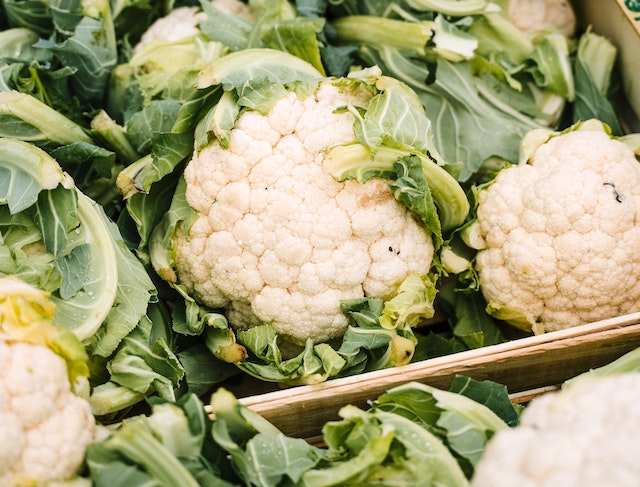
What is Cauliflower: Cauliflower is a cool and tasty vegetable that belongs to the same family as broccoli and cabbage. It has a unique appearance with a large, dense, white head called the “curd,” which is actually a bunch of underdeveloped flower buds. Cauliflower is super nutritious and contains vitamins, minerals, and antioxidants that are great for our health.
How to Grow Cauliflower:
Step 1: Choose the Right Time: Plant cauliflower during the cool season, like early spring or late fall, when the temperatures are not too hot. It doesn’t like extreme heat, so avoid planting during the hottest summer months.
Step 2: Find a Sunny Spot: Look for a sunny spot in your garden where the cauliflower can get plenty of sunlight. Like most plants, cauliflower loves the sun and grows best in bright, sunny areas.
Step 3: Prepare the Soil: Get the soil ready by loosening it up and adding some compost or well-rotted manure. Cauliflower likes nutrient-rich soil, so giving it good food to grow in is important.
Step 4: Plant the Seedlings: It’s a bit trickier to grow cauliflower from seeds, so using seedlings is a better option. You can find cauliflower seedlings at your local garden center. Plant them about 30-60 centimeters apart in rows.
Step 5: Watering: Cauliflower prefers even and consistent watering. Keep the soil moist, but not waterlogged. Give it a good drink when the top 2.5 centimeters of soil feels dry.
Step 6: Provide Shade: Sometimes cauliflower can get a little sensitive to direct sunlight, so providing some shade during the hottest part of the day can help protect it.
Step 7: Watch Them Grow: Keep an eye on your cauliflower plants as they grow. They’ll form big, green leaves and start to develop the white curd in the center.
Step 8: Blanching: As the cauliflower curd starts to form, you can gently bend some of the outer leaves over it. This is called “blanching” and helps protect the curd from direct sunlight, keeping it nice and white.
Step 9: Harvesting: When the cauliflower curd looks big and full, it’s time to harvest! Use a sharp knife to cut the head off the plant, leaving a bit of stem attached. Be gentle so you don’t damage the curd.
Fun Fact: Cauliflower is super versatile and can be used in so many ways! You can eat it raw as a snack, steam or roast it for a delicious side dish, or even use it to make cauliflower rice or pizza crust.
Growing cauliflower is a rewarding experience that lets you discover the wonders of nature and the joy of growing your own food. So give it a try, and enjoy the tasty and nutritious cauliflower you grow in your garden! Happy gardening! 🌱🥦
More info at:
Worthwhile videos
No videos picked for this Guide yet. Seen a good one on this topic? Tell us the link.
Keep exploring
Growing beetroot in Namibia: roots, leaves and local trials
Beetroot provides roots and edible leaves from a compact planting. Give it a steady start, room to develop and a harvest plan. Local growers’ experience with salty coasta…
Rice: assess water, processing and market before planting
Rice can be an important food and trading crop in suitable settings. For most arid Namibian sites, the first decision is whether the whole water-and-processing system mak…
Pumpkin
Adapted from https://www.almanac.com/plant/pumpkins There are two requirements to growing pumpkins: having the space to grow them and a long growing season (generally,…
Garlic
Photo by Karolina Grabowska: https://www.pexels.com/photo/bulb-of-garlic-and-scattered-cloves-of-garlic-in-peel-on-gray-table-4022182/ How to Grow Organic Garlic: Step 1:…