
In short
Tomatoes can form roots along buried stems. This can make shallow trench planting useful for a tall, leggy transplant, provided the plant is healthy and the soil is suitable. It is a planting technique, not a guarantee of extra yield.
Tomatoes can form roots along buried stems. This can make shallow trench planting useful for a tall, leggy transplant, provided the plant is healthy and the soil is suitable. It is a planting technique, not a guarantee of extra yield.

From the Namibian discussions
The local collection shared a short video about laying tomato stems down to encourage roots. No measured Namibian comparison accompanied it. Keep the idea as a practical option for suitable transplants, while avoiding forceful bending of an established, brittle stem.
Check why the seedling is leggy
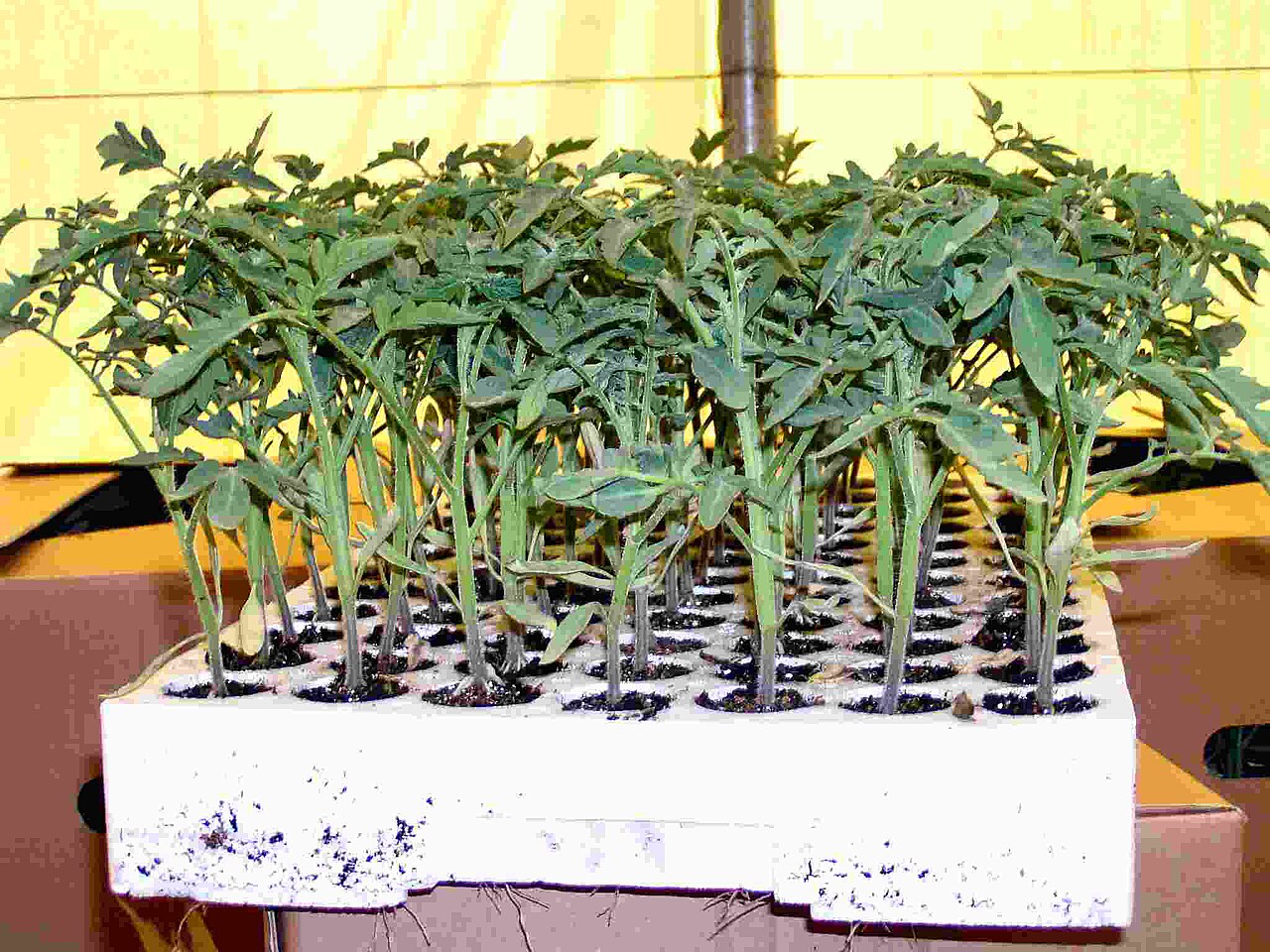
Insufficient light, crowding or an overlong stay indoors can produce weak plants. Improve nursery conditions for the next batch as well as dealing with this one. Do not bury a diseased stem and expect the extra depth to cure the problem.
Prepare a shallow planting space
University of Maryland guidance describes deeper or horizontal planting of tomatoes. Remove lower leaves that would be buried, keep the growing tip above the soil, and lay the stem gently into the prepared space. Avoid a sharp bend. Keep the root ball moist during planting and water the plant into contact with the surrounding soil.
Mark the buried stem
- Record which direction the stem lies before covering it.
- Place a small marker so later hoeing or staking does not cut it.
- Install support where it will not damage the buried plant.
- Check moisture in the root zone rather than sprinkling only the visible tip.
Compare with a normal transplant
If you have enough similar plants, keep a normally planted comparison. Record survival, growth and harvest rather than judging only the first week’s appearance. The technique is specific to plants that tolerate this treatment; do not apply it automatically to peppers, trees or every stretched seedling.
Namibian climate and microclimate
A shallow trench may warm and dry differently from a deep hole. In Namibia, wind, hot soil and irrigation placement can determine whether the transplant establishes. Plant during manageable conditions and protect a newly transplanted plant without leaving it in permanent deep shade.
Your first practical step
Try the technique on one healthy leggy tomato and mark the buried stem so you can care for it without disturbing new roots.
Keep exploring
- Tomatoes
- Harden seedlings for sun, wind and real garden conditions
- When seedlings collapse: recognise possible damping off
Sources and further reading
Have you tried this in Namibia? Share the site conditions, method and result—including what did not work—with the Living Earth community. Local observations help the next person adapt the idea.
Worthwhile videos
Made by others, mostly outside Namibia: watch for the idea, then adapt it to our dry climate.
Watch: How to grow the tastiest tomatoes
Publisher: ABC Australia
Country and context: Australia; exact filming site not confirmed.
A supporting tomato-growing lesson, not a demonstration of long-term storage or a food-preservation process.
The general tomato lesson supports transplant care. Use the written trench-planting guidance for this particular technique.
Keep exploring
Plant Hardiness Zone Map
https://atlasofnamibia.online/chapter-6/types-of-vegetation What's a plant hardiness zone map? A plant hardiness zone map is a geographical tool used to help gardeners, f…
EM (effective micro-organisms)
Effective microorganisms in action - photo by Nadia Lawton of the permaculture research institute. This is a must use resource! See their…
Critical Guide to Organic Pest Control in Southern Africa: Proven Natural Solutions for Healthier Crops
organic pest control - a ladybug eating aphids Organic pest control is a way of managing garden pests without using harmful chemicals.…
Blocked drip lines: diagnose the blockage before cleaning
A dry patch beneath a dripper does not tell you whether the problem is dirt, mineral deposits, biological growth or pressure. Find the cause before choosing a cleaning me…