In short
Newspaper pots can reduce purchases of small plastic containers and make a useful school or community activity. Their weak point is also their advantage: they break down. The design must last long enough in the nursery while allowing roots to establish after planting.
Newspaper pots can reduce purchases of small plastic containers and make a useful school or community activity. Their weak point is also their advantage: they break down. The design must last long enough in the nursery while allowing roots to establish after planting.

From the Namibian discussions
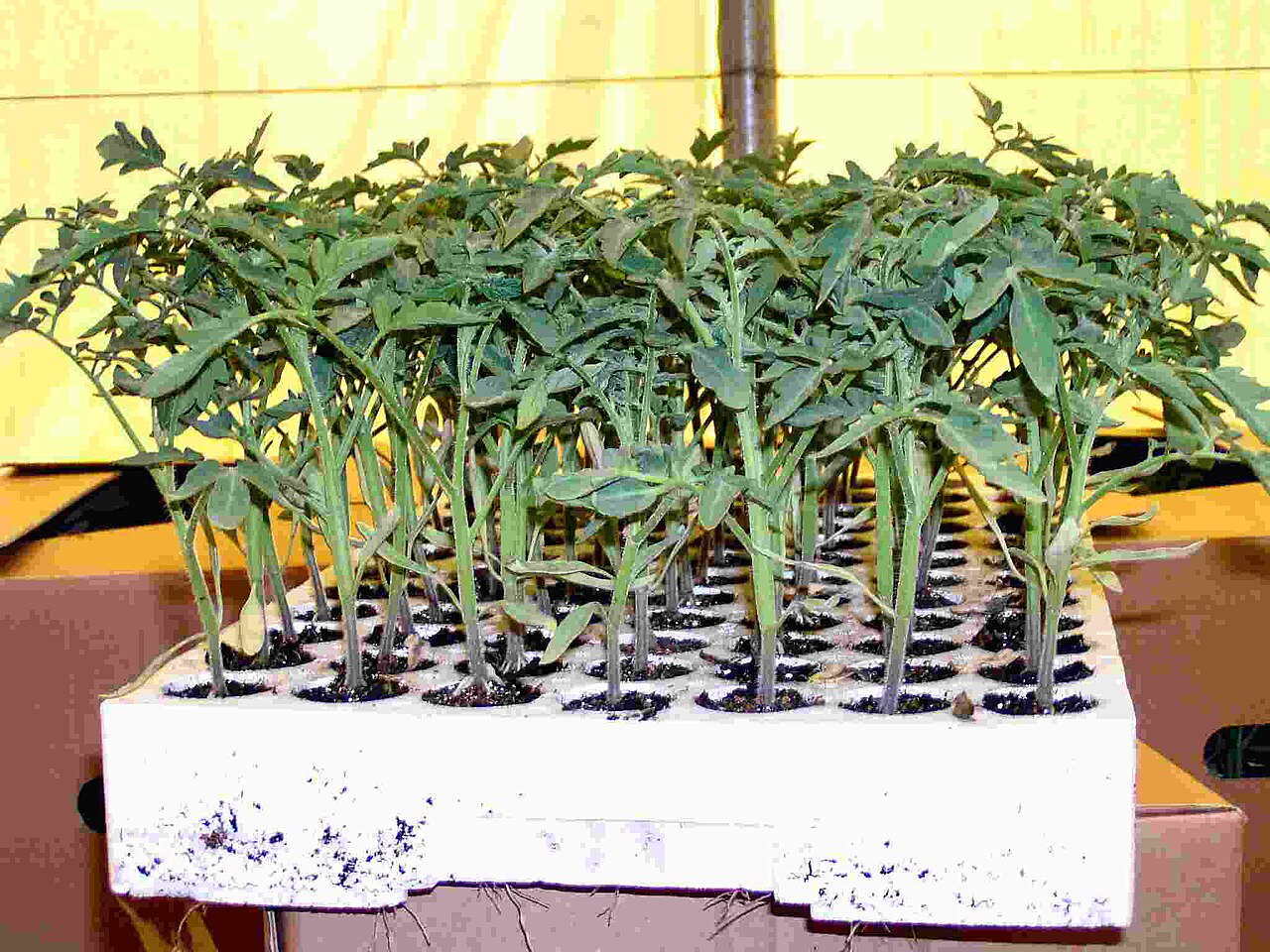
A Namibian contributor described using a newspaper pot maker and planting the pot with its seedling. Others had tried cardboard toilet-roll tubes. These are firsthand container ideas; success still depends on paper thickness, watering and how readily the material breaks down in the planting site.
Choose simple materials
RHS school-gardening guidance demonstrates pots made from newspaper. Use ordinary uncoated newsprint and a suitable cylindrical mould. Avoid glossy, laminated or heavily coated packaging, and remove tape and staples. A supporting tray makes several small paper pots easier to water and carry.
Make and test a few
- Wrap a strip around the mould with enough projecting paper to fold a base.
- Fold and press the base, then slide the pot off without making it excessively thick.
- Fill with a suitable seedling medium and place pots close together in a tray that drains.
- Water a few empty test pots first to see whether they hold together and drain as intended.
Compare the real cost
Record how much paper, medium, time and water the containers use. Reusable plastic pots may still be practical for long nursery periods if cleaned and used repeatedly. Paper pots are most useful when matched to a short production cycle rather than left outside until they collapse.
Namibian climate and microclimate
Hot wind dries exposed paper quickly, while prolonged wetness can make it disintegrate early. Keep a trial in the same sheltered nursery position as your usual containers, then compare survival after planting.
Your first practical step
Make six pots, sow a familiar crop and compare them with your normal containers before organising a large pot-making session.
Keep exploring
Sources and further reading
Have you tried this in Namibia? Share the site conditions, method and result—including what did not work—with the Living Earth community. Local observations help the next person adapt the idea.
Worthwhile videos
Made by others, mostly outside Namibia: watch for the idea, then adapt it to our dry climate.
Paper can wick water away from the root ball, especially if its upper edge stands above the soil after planting. At transplanting, wet the pot and inspect it: open the base or remove resistant layers carefully if roots cannot pass. Avoid tearing a delicate root system merely to preserve the idea of a fully biodegradable pot.
Watch: Inexpensive newspaper planting pots
Publisher: Livingseeds Farm
Country and context: South Africa-based publisher; exact filming site not confirmed.
A practical demonstration shared in the local collection. Monitor how paper pots dry at your own nursery.
The construction demonstration is useful, but test paper thickness and moisture under your own nursery conditions.
Keep exploring
Compost
Plants need food, just like animals do. To have a productive farm, you need to focus on feeding the soil in which…
Food Forest
A 2000 year old Food forest in the desert A food forest, or forest garden, is a type of sustainable agroforestry system…
Shieldboxes
The ShieldBox is a simple, low-cost innovation designed to protect young plants and seedlings in Namibia’s dry, harsh environments. Made from recycled…
Frost covers: a simple evening and morning routine
A frost cover works best as part of a routine: watch the forecast, cover vulnerable plants before the coldest period, secure the edges and check conditions again in the m…