
In arid regions, vegetable and fruit garden plants are prone to various micronutrient deficiencies due to the poor soil quality and limited availability of nutrients. Here’s a comprehensive list of common micronutrient deficiencies in these plants and how to spot them, along with natural and organic remedies:
- Iron (Fe) Deficiency:
- Spotting: New leaves appear yellow with green veins (interveinal chlorosis).
- Remedy: Add organic matter, such as compost or well-rotted manure, to improve soil structure and iron availability. Avoid excessive watering, as it can lead to iron deficiency in some soil types.
- Manganese (Mn) Deficiency:
- Spotting: Leaves exhibit interveinal chlorosis, similar to iron deficiency, but with distinct brown speckles or patches.
- Remedy: Apply compost or organic matter to increase manganese availability. Adjust soil pH if it is too high, as manganese becomes less available in alkaline soils.
- Zinc (Zn) Deficiency:
- Spotting: Young leaves show interveinal chlorosis, and leaves may be smaller than usual. The leaves may also have distorted growth.
- Remedy: Incorporate organic matter into the soil, and use zinc-containing organic fertilizers like rock phosphate or zinc sulfate. Properly manage soil pH, as zinc availability decreases in alkaline soils.
- Copper (Cu) Deficiency:
- Spotting: Leaves may display a bluish-green color, and young leaves can become wilted or deformed.
- Remedy: Add organic matter and use compost to improve copper availability. Avoid excessive use of phosphorus-based fertilizers, as they can interfere with copper absorption.
- Boron (B) Deficiency:
- Spotting: Young leaves become twisted, thickened, and may show marginal scorching. Fruits may be misshapen.
- Remedy: Use borax or boron-containing organic fertilizers to correct boron deficiency. Be cautious with boron application, as excessive amounts can be toxic to plants.
- Molybdenum (Mo) Deficiency:
- Spotting: Leaves may show a general yellowing between veins.
- Remedy: Apply compost or well-decomposed manure to provide a natural source of molybdenum. Adjust soil pH if necessary, as acidic soils can reduce molybdenum availability.
- Chlorine (Cl) Deficiency:
- Spotting: Plants may exhibit wilting, with necrotic leaf margins and tip burn.
- Remedy: Use potassium chloride (muriate of potash) or seaweed-based fertilizers to address chlorine deficiency. Avoid over-irrigation, as it can lead to chlorine leaching.
- Nickel (Ni) Deficiency:
- Spotting: Symptoms are rare and often confused with other deficiencies, but plants may show reduced growth and development.
- Remedy: Improve soil fertility with organic matter and use well-balanced organic fertilizers.
To prevent micronutrient deficiencies in arid regions, incorporate organic matter into the soil regularly, practice crop rotation, and use natural fertilizers like compost and well-rotted manure. Conduct soil tests to identify specific nutrient deficiencies accurately and adjust soil pH as needed. Remember that excessive use of any micronutrient can be harmful, so apply any remedies in moderation and follow best organic gardening practices.
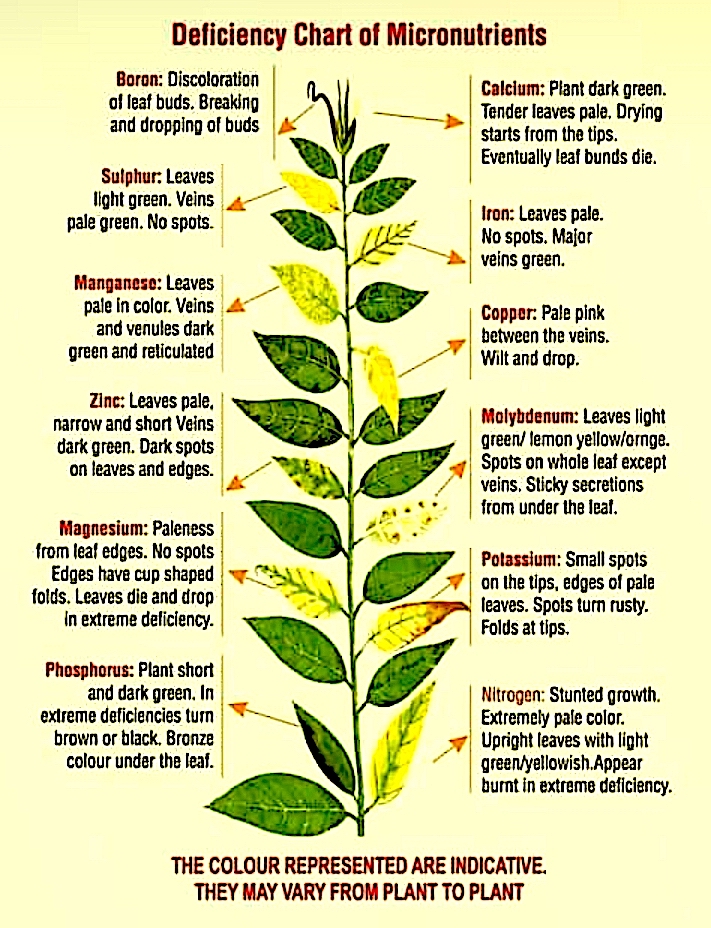
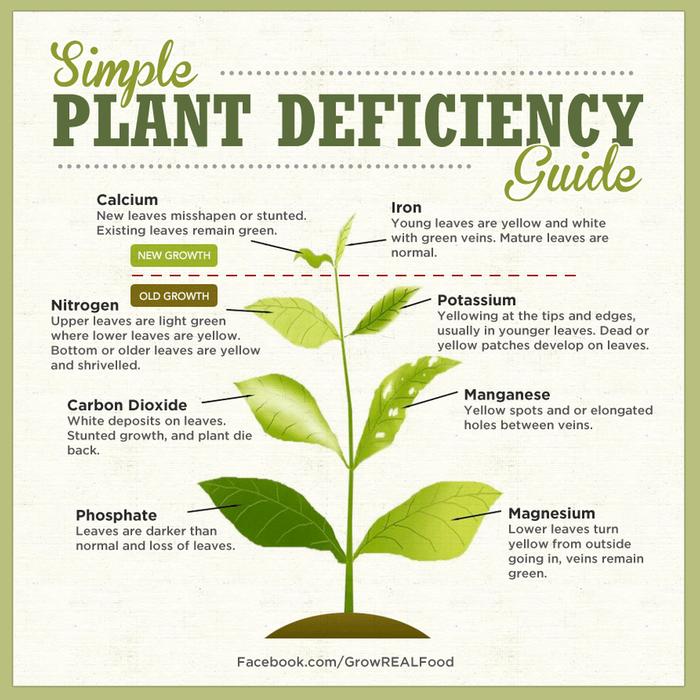
Deficiency Charts
Worthwhile videos
No videos picked for this Guide yet. Seen a good one on this topic? Tell us the link.
Keep exploring
Lemons
Photo by Kindel Media: https://www.pexels.com/photo/yellow-citrus-fruits-hanging-on-a-tree-7457203/ Growing lemons in arid regions of Southern Africa can be challenging d…
Amazing Oranges
oranges Oranges: A Guide for the Homestead Oranges: A Guide for the HomesteadOverviewWhy Grow Oranges on Your Homestead?Climate and Growing ConditionsVarieties Suitable…
Kumquat
Kumquat Kumquat: A Guide for the Homestead Kumquat: A Guide for the HomesteadClimate and Growing ConditionsPlanting and CareHarvesting and Uses🍊 Kumquat Recipes…
Cottony cushion scale: inspect citrus before spraying again
White cottony material on citrus deserves a closer look. Cottony cushion scale is one possibility, but identifying the insect and its stage is more useful than repeatedly…