
Cassava (Manioc): The Hardy Root for Arid Gardens!
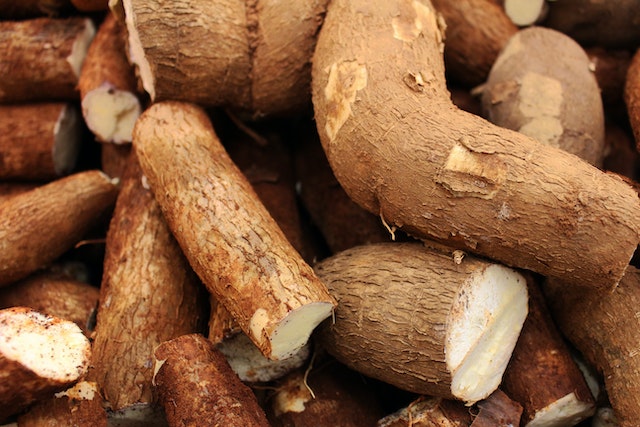
Introducing Cassava, also known as Manioc – a resilient and versatile root crop that thrives in arid Southern Africa. Let’s explore the wonders of growing this hardy and nutritious plant in your garden:
1. Drought-Resistant Champion: Cassava is a true champion in arid regions. It’s well-adapted to hot and dry conditions, making it an ideal crop for areas with limited water resources.
2. Nutrient-Rich Goodness: Don’t let its humble appearance fool you! Cassava is a nutritional powerhouse, rich in carbohydrates, fiber, vitamins C and B-complex, and essential minerals like calcium and potassium.
3. Versatile Culinary Uses: From savory to sweet, cassava is incredibly versatile. It can be boiled, steamed, fried, or mashed to create delicious dishes like cassava fries, cassava cake, or even used as a gluten-free flour alternative.
4. Low-Maintenance Treasure: If you’re looking for a low-maintenance crop, cassava is your answer! Once established, it requires minimal care, allowing you to enjoy a bountiful harvest without much fuss.
How to Cultivate Cassava in Your Arid Oasis:
Step 1: Planting Time and Location: Cassava thrives in warm temperatures above 25°C (77°F). Plant it during the warmer months when the soil has warmed up sufficiently. Choose a sunny spot in your garden to provide the plant with plenty of sunlight.
Step 2: Cuttings and Soil Preparation: Cassava is propagated from stem cuttings, which are pieces of the stem with several nodes. Plant these cuttings in well-draining soil enriched with compost or organic matter for better root development.
Step 3: Spacing and Watering: Space the cassava cuttings about 1-1.5 meters (3-5 feet) apart to give them ample room to grow. Water the cuttings regularly during the establishment phase, but be cautious not to overwater, as they can rot in waterlogged soil.
Step 4: Mulching and Fertilizing: Apply mulch around the base of your cassava plants to retain soil moisture and suppress weed growth. While cassava doesn’t require frequent fertilization, you can provide a balanced fertilizer once or twice during the growing season to boost growth.
Step 5: Pest and Disease Control: Cassava is generally resistant to pests and diseases, but it’s essential to monitor for any issues. Control pests like aphids or mites with natural remedies to ensure a healthy crop.
Step 6: Harvesting and Storing: Harvest cassava roots when they are mature, typically after 8-12 months of growth. Carefully dig out the roots, and you can store them in a cool and dry place for several weeks.
Step 7: Enjoy the Bounty: Now comes the best part – enjoying the delicious and nutritious cassava! Explore various recipes and savor the versatility of this fantastic root crop.
Ready to cultivate cassava in your garden? With its resilience, nutrition, and culinary possibilities, cassava is an exceptional addition to your arid Southern Africa oasis!
Worthwhile videos
No videos picked for this Guide yet. Seen a good one on this topic? Tell us the link.
Keep exploring
Choose crops for a recirculating growing system
Recirculating water can be useful, but the crop still needs light, nutrients, space and care. Choose a crop to fit the system you can maintain. Start by distinguishing aq…
Lettuce
Growing Lettuce in Arid Southern Africa: Emphasizing Aquaponics, Raised Beds, and Wicking Beds Photo by Karolina Grabowska: https://www.pexels.com/photo/salad-with-lettuc…
Trench-planting a leggy tomato seedling
Tomatoes can form roots along buried stems. This can make shallow trench planting useful for a tall, leggy transplant, provided the plant is healthy and the soil is suita…
Growing carrots in Namibia: sowing, water and harvest
A short row of carrots can supply useful food without taking over a small garden. The important work happens early: choose a root shape that fits your soil, establish an…