
In short
A useful garden trial starts with one question and an honest comparison. It can be modest enough for a courtyard, yet still produce information worth sharing. Decide what you will measure before the result tempts you to change the story.
A useful garden trial starts with one question and an honest comparison. It can be modest enough for a courtyard, yet still produce information worth sharing. Decide what you will measure before the result tempts you to change the story.
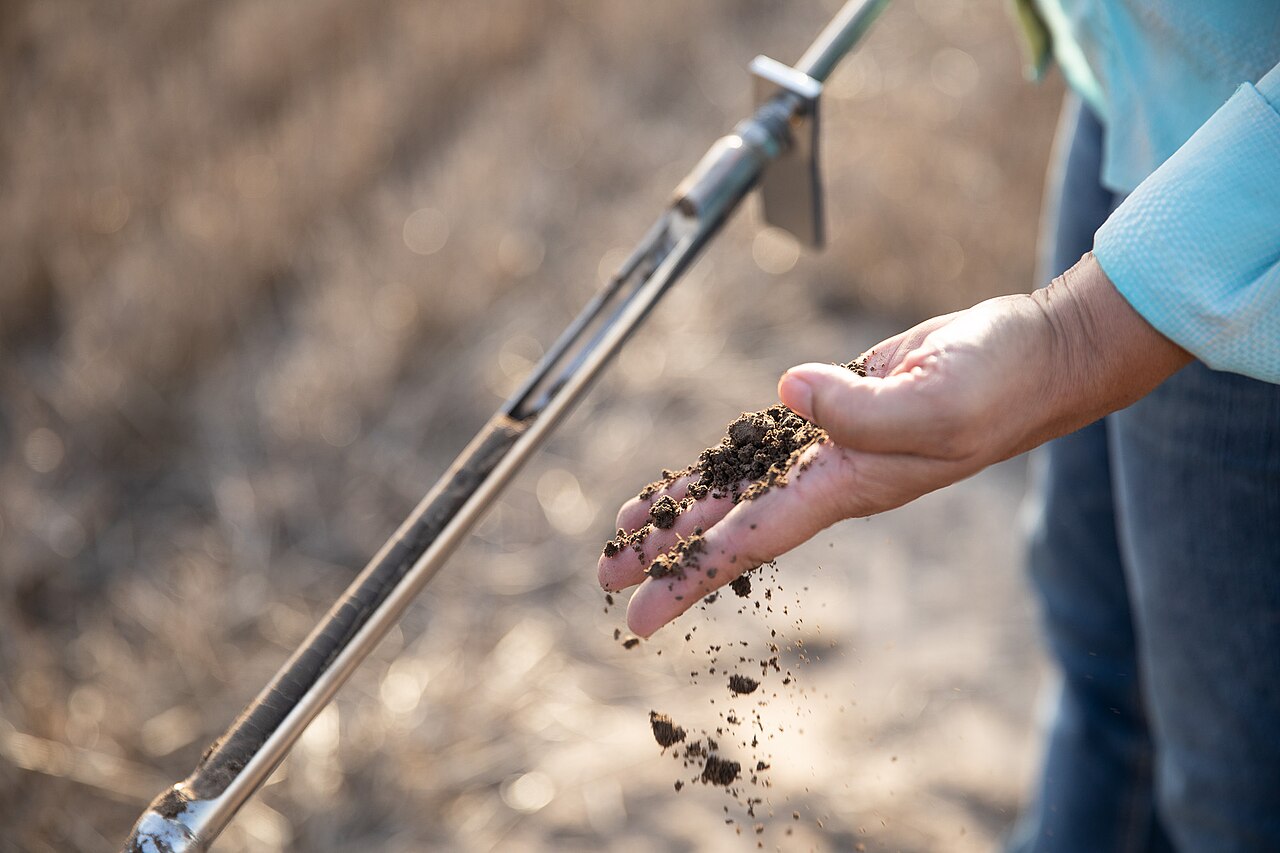

From the Namibian discussions
Correspondence around Namibia’s Food Grow Challenge discussed site proposals and expert feedback. It shows the value of documenting conditions before implementation; it does not provide completed trial results. This guide gives participants a practical way to record a small experiment within a larger project.
Ask one answerable question
For example: does a particular mulch reduce irrigation needed in this bed while maintaining a usable harvest? Choose one change and keep the crop, planting date and other care similar. If you change the soil, variety, watering and shelter together, you cannot tell which change mattered.
Make a fair comparison
Use several small repeats where space allows, with treatment and comparison positions distributed rather than putting all treated plants in the best corner. University trial guidance explains replication and randomisation. A household observation can still be useful, but be clear when it is too small to support a confident general conclusion.
Keep a short record
- Photograph and label the starting layout.
- Record irrigation in litres, rainfall and unusual weather.
- Use the same method to measure both groups.
- Weigh usable harvest and note failures, labour and costs.
Report what happened
Share the location at an appropriate level, season, soil conditions, method and results. Include inconvenient outcomes such as pest damage or a missed watering. “It worked here this season” is more useful than a sweeping claim. Repeat a promising result before investing heavily or recommending it widely.
Namibian climate and microclimate
Namibian microclimates can differ across a single yard. Shade, wind and a leaking pipe may influence a result. Map those differences first and avoid placing every treatment in one distinct microclimate.
Your first practical step
Write one question, one comparison and one measurement on a page before changing the garden.
Keep exploring
- Map the microclimates in your own garden
- Keep a useful record of a LAB garden trial
- Start a community learning circle around one practical trial
Sources and further reading
Have you tried this in Namibia? Share the site conditions, method and result—including what did not work—with the Living Earth community. Local observations help the next person adapt the idea.
Worthwhile videos
Made by others, mostly outside Namibia: watch for the idea, then adapt it to our dry climate.
Watch: Tips for conducting on-farm research
Publisher: University of Minnesota Extension
Country and context: USA; Minnesota agricultural context.
The linked university page provides video lessons on comparisons and trial design. Scale the principles to the space and resources available.
The university examples concern US farms. Scale the design principles to your garden and use metric measurements and local seasons.
Keep exploring
Propagation
Propagation in an Organic Homestead Setting. Why Propagate Plants on an Organic Homestead? Methods of Propagation on an Organic Homestead. Organic Propagation…
Worm-bin liquid and compost tea: know what you are using
Liquid draining from a worm bin, an extract made from finished vermicompost and an aerated compost tea are different materials. Naming the liquid accurately is the first…
Saving seeds
Photo by Miguel Á. Padriñán: Saving Seeds. Choose the Right Seeds: Look for the healthiest and tastiest plants in your garden. These…
Biofumigation: test a targeted treatment in a small bed
Biofumigation uses particular plant materials and management to influence soil-borne pests or diseases. It is not a universal cure for tired soil. Begin with the problem…