
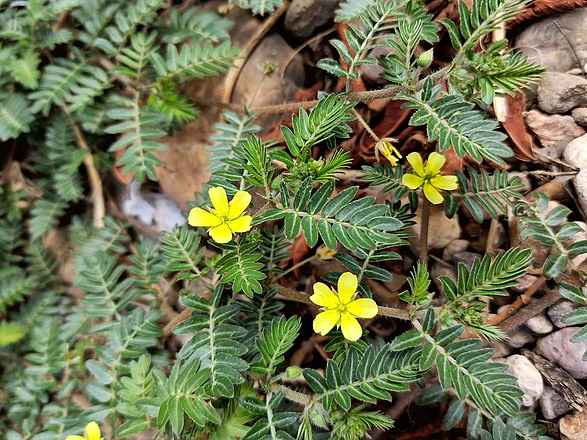
Weeds in a Permaculture Homestead Context
In the realm of permaculture, the perspective on weeds shifts dramatically from the conventional view. Instead of considering them as nuisances to be eradicated, permaculturists recognize the multifaceted roles that weeds can play within the ecosystem of a homestead. Weeds are not simply invasive plants that need to be removed; they can be valuable resources that contribute to the overall health and balance of a permaculture system.
Benefits of Weeds in Permaculture:
- Soil Improvement: Many weeds have deep taproots that help break up compacted soil, allowing for better water penetration and root growth of other plants.
- Nutrient Accumulation: Weeds can accumulate nutrients from deep within the soil, making them valuable sources of biomass for mulching or composting.
- Wildlife Habitat: Weeds can provide habitat for beneficial insects, pollinators, and small animals, which contribute to overall biodiversity on the homestead.
- Dynamic Accumulators: Some weeds are considered “dynamic accumulators” that mine nutrients from the soil and make them available to neighboring plants as they decompose.
- Mulch and Ground Cover: Weeds can act as living mulch, protecting soil from erosion, reducing evaporation, and suppressing the growth of other unwanted plants.
- Livestock Feed: As you mentioned, certain weeds can serve as excellent fodder for livestock like chickens, goats, and rabbits, turning what might be considered a nuisance into a valuable resource.
Organic Methods for Weed Management:
- Mulching: Apply a thick layer of organic mulch (such as straw, wood chips, or leaves) around desired plants. This creates a physical barrier that inhibits weed growth and helps retain soil moisture.
- Sheet Mulching: Layer cardboard or newspaper over areas prone to weeds, followed by compost and mulch. This “lasagna” method smothers existing weeds and prevents new ones from sprouting.
- Companion Planting: Intercrop or plant ground cover crops that outcompete weeds for space and resources. For example, fast-growing vegetables like radishes can be planted between slower-growing plants to keep weeds at bay.
- Hand Weeding: Regularly inspect and manually remove weeds before they have a chance to set seed. This prevents them from spreading and becoming more problematic.
- Cover Crops: Plant cover crops in between main growing seasons. These crops not only protect the soil but also compete with weeds and add organic matter when turned under.
- Crop Rotation: Rotate your crops to disrupt weed life cycles. Weeds adapted to specific crops may struggle to establish themselves if those crops are moved to different locations each season.
- Natural Predators: Introduce or encourage natural predators of weed pests, such as certain insects or birds, to help control weed populations.
Remember, in permaculture, the goal is to work with nature rather than against it. By understanding the ecological roles that weeds can play and adopting proactive management strategies, you can transform what might be seen as “weeds” into valuable allies within your permaculture homestead.
Worthwhile videos
No videos picked for this Guide yet. Seen a good one on this topic? Tell us the link.
Keep exploring
Critical Guide to Organic Pest Control in Southern Africa: Proven Natural Solutions for Healthier Crops
organic pest control - a ladybug eating aphids Organic pest control is a way of managing garden pests without using harmful chemicals.…
Red insect nets: promising, but crop-specific
A Japanese study found benefits against onion thrips. Here is what it showed—and what a local trial would still need to establish.
Earwigs: useful predators or seedling pests?
Earwigs are recognisable by the pincers at the end of their bodies.
Aphids
Aphids Understanding Aphids in an Organic Garden Aphids, also known as plant lice, are small, sap-sucking insects that can wreak havoc in…