
Setting Up a Small Snail Farm for Market in Namibia:
- Selecting a Suitable Location:
- Choose a shaded area with good soil drainage.
- Ensure the location is protected from extreme weather conditions.
- Constructing Snail Pens:
- Build low-cost pens using locally available materials.
- Ensure pens are well-ventilated and secure to prevent escapes.
- Choosing Snail Species:
- Opt for local snail species suitable for Namibian climate.
- Consider consulting local agricultural experts for advice.
- Creating the Right Environment:
- Maintain a moist environment by watering the pens regularly.
- Use organic matter like leaves to keep the soil humid.
- Feeding and Nutrition:
- Provide a balanced diet including fresh vegetables and fruits.
- Supplement with calcium-rich sources for shell development.
- Monitoring and Pest Control:
- Regularly inspect for signs of diseases or pests.
- Implement natural pest control methods to avoid chemical use.
- Harvesting and Handling:
- Harvest snails when they reach marketable size.
- Handle snails with care to avoid stress and damage.
- Market Research and Marketing:
- Research local markets for potential buyers.
- Develop marketing strategies, considering the demand for snails.
- Complying with Regulations:
- Understand and adhere to any regulations regarding snail farming.
- Obtain necessary permits if required.
- Continuous Learning:
- Stay informed about best practices in snail farming.
- Connect with local agricultural networks for support and knowledge exchange.
Remember to adapt these guidelines based on your specific location in Namibia and the local conditions.
Recommended Snail Species for Farming in Namibia:
- Helix Aspersa (Common Garden Snail):
- Well-suited for various climates.
- Adaptable and easy to farm.
- Known for its relatively fast growth.
- Achatina Fulica (Giant African Land Snail):
- Resilient and can thrive in warm climates.
- Grows to a substantial size, making it suitable for the market.
- Ensure proper containment due to its invasive potential.
- Achatina Achatina (Giant Ghana Snail):
- Well-suited for tropical climates.
- Known for its rapid growth and large size.
- Requires a secure enclosure due to its size.
- Cornu Aspersum (Roman Snail):
- Tolerant to various environmental conditions.
- Preferred for its taste and texture in culinary use.
- Requires moderate temperature and humidity.
- Eobania Vermiculata (European Garden Snail):
- Adaptable and resistant to dry conditions.
- Suitable for regions with varying temperatures.
- Generally easy to care for and farm.
Before choosing a species, consult with local agricultural experts or extension services in Namibia to ensure the selected snail species aligns with the specific conditions of your homestead setup. Additionally, consider the market demand for each species in your region.
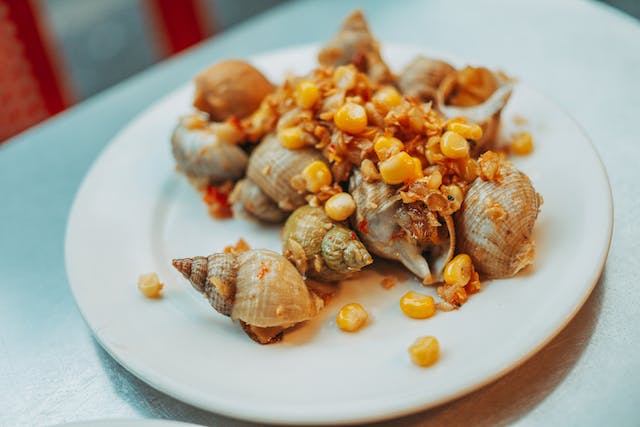
Photo by FOX: https://www.pexels.com/photo/dish-with-snails-on-a-plate-13189280/
Worthwhile videos
No videos picked for this Guide yet. Seen a good one on this topic? Tell us the link.
Keep exploring
Community Gardening
Community Gardening. Business Idea: Community Garden Partnership. Overview: Creating a business that connects residents in wealthier suburbs with available land to indivi…
Buying honey: traceability matters more than kitchen purity tests
Colour, thickness and crystallisation vary between honeys. None is a dependable home test for adulteration. If you want confidence in a product, start with the producer,…
Growing Mushrooms
Photo by Pixabay: Let's explore the fascinating world of mushroom houses and how they can be beneficial for growing mushrooms on homesteads.…
Bamboo
bamboo. Bamboo and its benefits. Let's talk about bamboo and its benefits for a small farm or homestead using the metric system:…