
In short
A banana planting is a sequence of stems, not a permanent fruiting trunk. Water, healthy planting material and room for replacement growth determine whether it becomes a useful crop. Begin with a few manageable plants before assuming a tropical-looking clump will feed the household.
A banana planting is a sequence of stems, not a permanent fruiting trunk. Water, healthy planting material and room for replacement growth determine whether it becomes a useful crop. Begin with a few manageable plants before assuming a tropical-looking clump will feed the household.
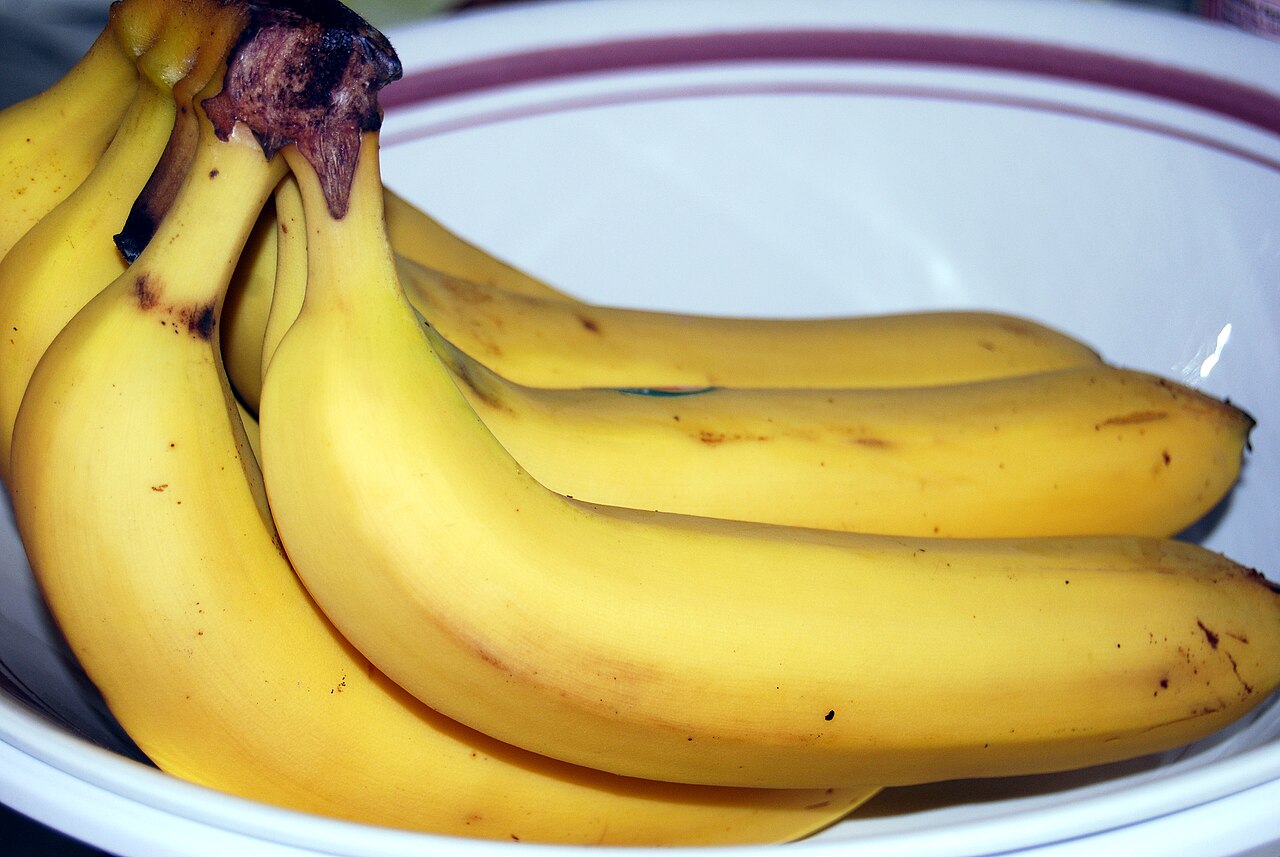

From the Namibian discussions
Namibian members discussed a banana trial, including a participant planning a planting in Kavango West after winter. They debated water supply and tissue-cultured plants. This records involvement and expectations, not final yield results. Tissue culture is a propagation method and does not by itself mean genetic modification.
Check the site and planting material
Florida extension guidance describes bananas as sensitive to inadequate water and cold, with variety differences. Obtain healthy, correctly identified planting material and ask about its origin and disease status. A strong water source still needs a delivery plan for the crop’s growing season.
Manage the clump deliberately
- Record the variety and planting date.
- Learn the supplier’s guidance for selecting replacement suckers and removing excess growth.
- Keep paths clear and protect plants from damaging wind where practical.
- Record flowering, bunch development and which stem will replace the harvested one.
Track water and useful yield
Measure irrigation rather than describing it as plenty. Include mulch and nutrient inputs in the record. Count usable bunch mass and time to harvest. A clump that survives a cool period may still fail to produce an acceptable bunch, so survival and fruit production should be recorded separately.
Scale from a full cycle
Before increasing area, observe establishment, flowering, harvest and replacement growth. Ask how the crop would cope with a pump failure or water restriction. Compare household food value and any sales with ongoing costs in NAD. Keep commercial expectations separate from a small garden success.
Namibian climate and microclimate
Warm northern sites may offer opportunities that frosty central sites cannot. Coastal coolness may slow growth, and strong wind can damage leaves. Choose the variety and planting window with the actual site in mind rather than treating all of Namibia as tropical.
Your first practical step
For each planted clump, start a record of variety, litres supplied, flowering date and harvested mass.
Keep exploring
Sources and further reading
Have you tried this in Namibia? Share the site conditions, method and result—including what did not work—with the Living Earth community. Local observations help the next person adapt the idea.
Worthwhile videos
Made by others, mostly outside Namibia: watch for the idea, then adapt it to our dry climate.
Watch: How to grow your own bananas
Publisher: ABC Gardening Australia
Country and context: Australia; Jerry Coleby-Williams presents. Exact filming locality not confirmed here.
A banana-growing demonstration from a different growing environment. Its water and seasonal assumptions require local adaptation.
The Australian demonstration shows banana care. Compare frost, wind and water availability before adopting its timing or clump management.
Keep exploring
Air layering: root a branch before separating it
Air layering encourages roots on a branch while it is still attached to the parent plant. It can be useful for suitable woody plants, especially when ordinary cuttings ar…
Mongongo or manketti: a long-term tree for suitable sandy landscapes
Mongongo, also called manketti, is Schinziophyton rautanenii. Its fruit and kernels have longstanding food value in parts of southern Africa. Growing it is a long-term la…
Sea buckthorn: assess the site before buying a berry crop
Sea buckthorn, Hippophae rhamnoides, is a thorny fruiting shrub discussed in the group material as a possible crop.
Tree watering: check the root zone before adding a deep pipe
Deep watering means getting useful moisture to roots, not simply pouring water into the deepest hole. Before installing a pipe or changing the schedule, find out where wa…